
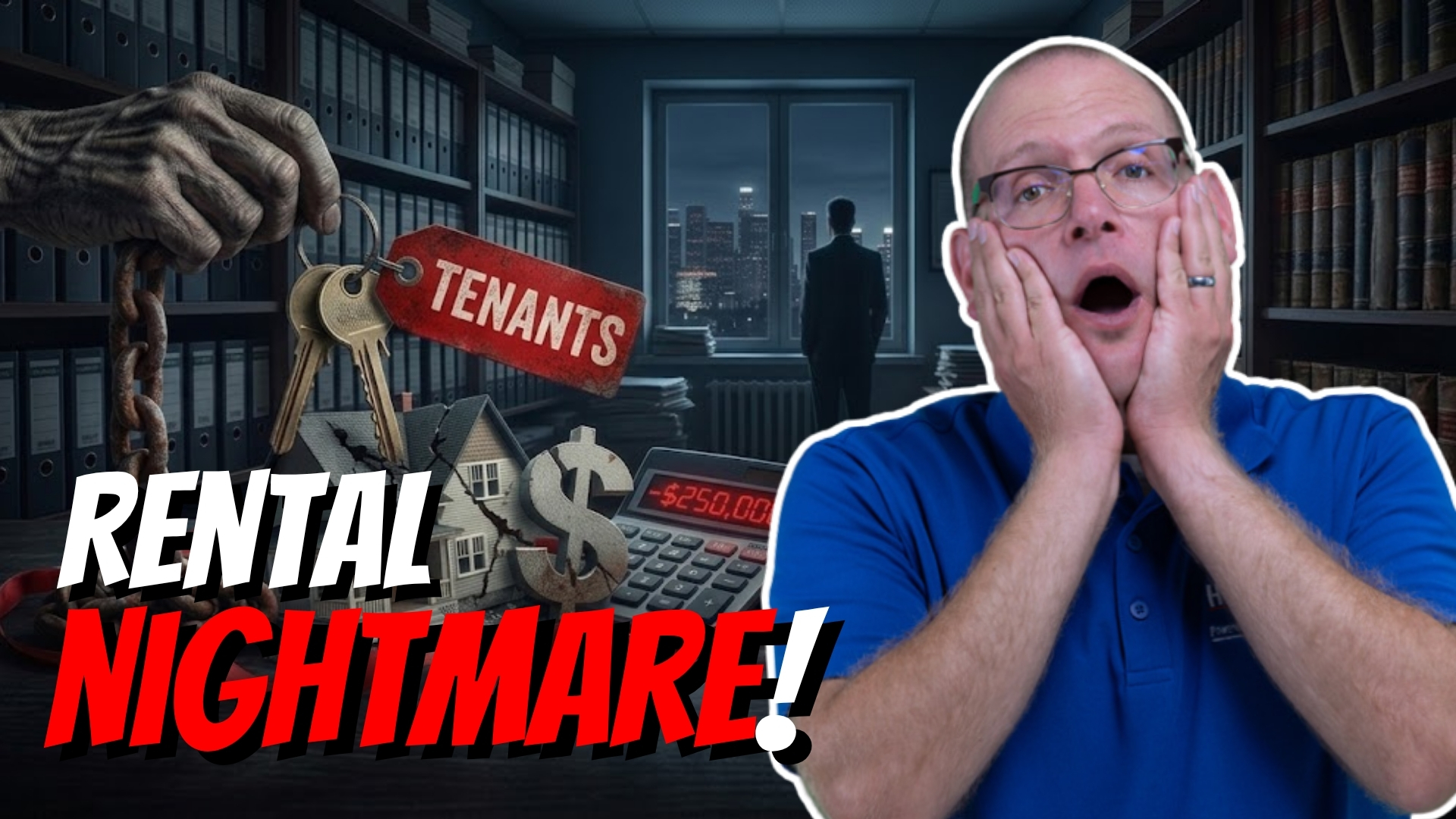
Los Angeles Tenant Laws Are Not Something to “Figure Out Later”
One of the biggest mistakes landlords, sellers, and investors make is assuming they can deal with a tenant situation after the transaction.
In Los Angeles, that strategy can get expensive—fast.
The city has some of the strongest tenant protections in the country. Depending on the property and circumstances, landlords may have to comply with just cause eviction requirements, rent stabilization rules, relocation assistance requirements, notice requirements, and specific legal procedures.
The important takeaway? Don’t wait until there’s a problem to understand the rules.
Having a qualified landlord-tenant attorney available before you need one is like wearing a seatbelt. You don’t wait for the accident.
How Just Cause Eviction Works in Los Angeles
In many situations, a landlord can’t simply tell a tenant, “I want my property back.”
A legally recognized reason may be required to terminate a tenancy. Depending on the circumstances, this can include issues such as nonpayment of rent, certain lease violations, owner move-in, or qualifying renovation plans.
But having a potentially valid reason isn’t the entire process.
The notice must be correct. The timing must be correct. The service must be correct.
A mistake in the eviction process can result in delays, additional legal expenses, or a requirement to start over.
That’s why anyone considering an eviction in Los Angeles should get legal advice before serving a notice.
Rent Control Can Change the Value of a Property
Now add Los Angeles rent control to the equation.
If a property is covered by applicable rent stabilization rules, the landlord may not be able to increase the rent to whatever the current market will support.
Imagine a property that could command $3,500 per month at market rent, but the existing tenant pays $2,100.
That $1,400 monthly difference can dramatically affect an investor’s calculations.
For buyers, the question isn’t simply, “What’s this property worth?”
It’s also:
What rent am I actually inheriting, and what are my legal options for changing it?
That distinction can have a major impact on cash flow and investment value.
Tenant Relocation Costs Can Surprise Sellers and Landlords
Another expense that can catch property owners off guard is tenant relocation assistance.
Certain qualifying no-fault terminations in Los Angeles may require the landlord to provide relocation assistance. The amount can depend on factors such as the type of termination and the tenant’s circumstances.
That means a landlord could potentially spend thousands of dollars to regain possession of a property they already own.
And that’s before considering attorney fees, lost rental income, carrying costs, and the time involved.
For sellers, these expenses should be considered before deciding that getting the property vacant is automatically the best strategy.
Selling a Tenant-Occupied Property Is Different
Selling a property with a tenant isn’t the same as selling a vacant property.
Depending on the tenancy and applicable law, the buyer may be purchasing the property with the existing tenant and tenancy obligations attached.
That can make the property less attractive to certain buyers.
Consider a home that could potentially sell for $1.2 million vacant. If it comes with a below-market tenant, a buyer may calculate the value differently because they’re also taking on the existing rental arrangement.
The result can be a lower offer, a smaller buyer pool, or a longer time on the market.
This is why sellers should understand their tenant situation before listing the property, rather than discovering its impact after buyers start making offers.
Buyers: You’re Buying More Than Four Walls
For buyers, a tenant-occupied Los Angeles property can be particularly tricky.
You’re not simply buying the building.
You’re potentially inheriting an existing lease, rent amount, payment history, tenant rights, and legal obligations.
If there’s a fixed-term lease, the buyer may have to honor the existing agreement until it expires, subject to applicable law.
Even a month-to-month tenancy doesn’t necessarily mean you can immediately ask the tenant to leave.
Month-to-month does not mean “no rules.”
Just cause requirements, proper notices, relocation obligations, and other applicable protections may still apply.
Review the Rental Documents Before Closing
If you’re considering purchasing a tenant-occupied property in Los Angeles, due diligence is critical.
Before closing, buyers should carefully review available documentation, including:
- The current lease and amendments
- Rent payment history
- Security deposit information
- Tenant estoppel or written confirmation of tenancy terms
- Notices previously served
- Any pending disputes or legal proceedings
- Applicable rent control or tenant-protection requirements
If important documentation is missing, that’s a warning sign—not something to casually ignore.
You want to know exactly what you’re inheriting before you become the owner.
Section 8 Properties Require Extra Due Diligence
Section 8 and other housing assistance arrangements can add another layer of complexity.
While rental assistance can provide valuable benefits, landlords and buyers should understand the specific program requirements and verify the tenancy carefully.
Potential issues involving unauthorized occupants, lease violations, improper subletting, or suspected fraud still need to be handled through the appropriate legal and program procedures.
And if an eviction becomes necessary, having Section 8 involved does not mean the normal legal requirements simply disappear.
Because housing assistance programs have their own rules, landlords should verify the facts and consult qualified professionals rather than relying on assumptions.
Cash for Keys Can Become Part of the Calculation
Here’s a reality many property owners don’t expect: sometimes the financially sensible solution is negotiating with a tenant to voluntarily move.
This is commonly referred to as cash for keys.
A landlord might offer a tenant money in exchange for voluntarily vacating the property and following agreed-upon terms.
The amount can vary significantly depending on the circumstances.
While writing a large check may feel painful, an owner might compare that cost against months of lost rent, mortgage payments, taxes, insurance, attorney fees, and other expenses associated with a prolonged dispute.
It isn’t automatically the right solution, but it can be one option worth discussing with a qualified attorney.
Don’t Let a Tenant Situation Destroy Your Real Estate Deal
Los Angeles real estate can still offer tremendous opportunities, but tenant-occupied properties require a different level of due diligence.
Whether you’re buying a rental property in Los Angeles, selling a tenant-occupied home, dealing with rent control, or considering an eviction, the smartest move is to understand the legal and financial consequences before committing.
For sellers, that means evaluating the tenant situation before putting the property on the market.
For buyers, it means reviewing the tenancy before closing.
And for landlords, it means getting professional legal guidance before taking action.
The biggest mistake isn’t having a tenant.
The biggest mistake is not knowing what comes with the tenant.
In Los Angeles, the difference between a smooth real estate transaction and a very expensive headache can come down to what you discover—and what you do about it—before you sign on the dotted line.