Solar Panels Aren’t Just a Home Feature
When buyers see solar panels on a Los Angeles home, the first thought is usually positive: lower electricity bills, energy efficiency, and potentially thousands of dollars in long-term savings.
And that can absolutely be true.
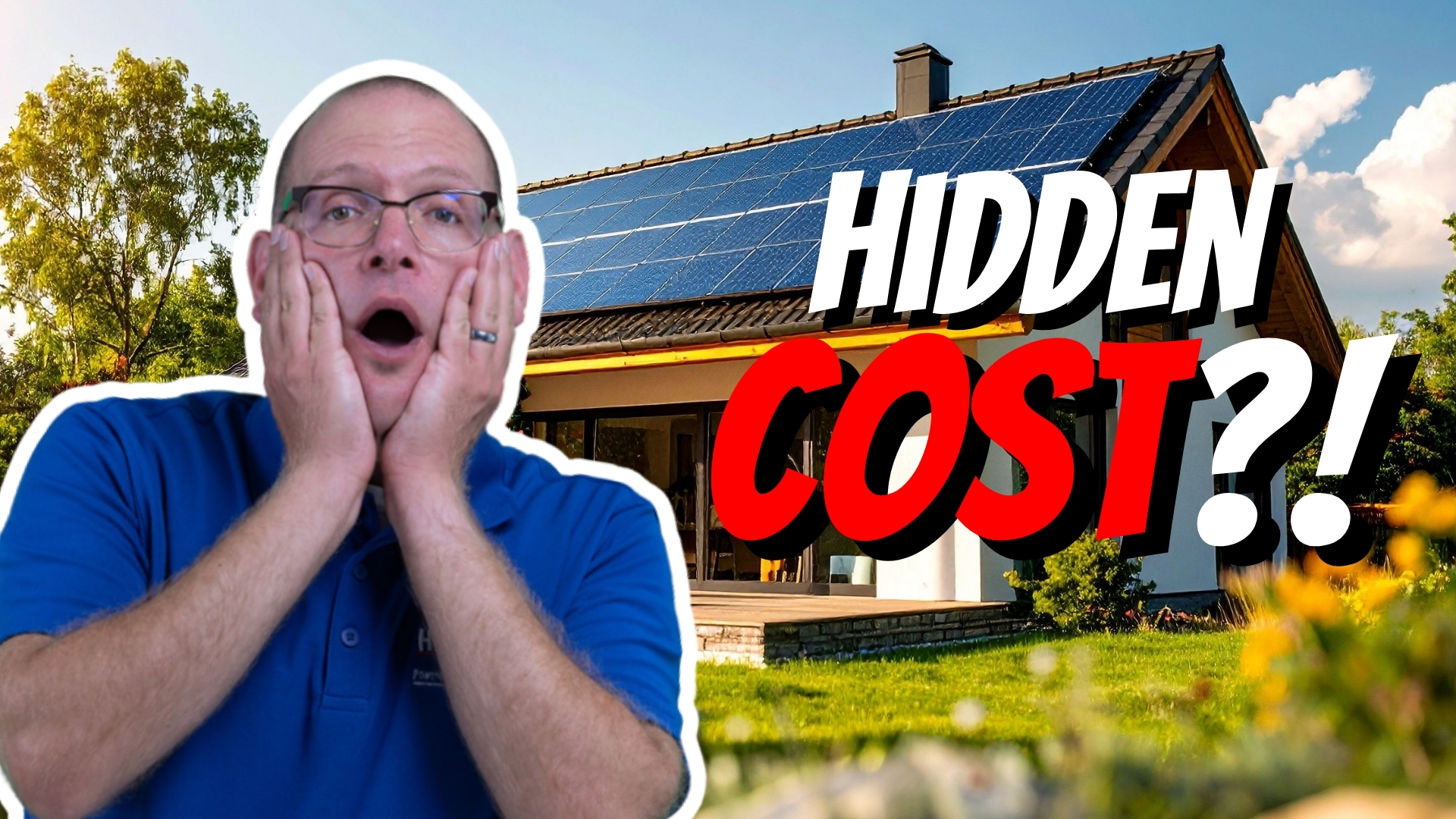
But there’s an important detail many homebuyers overlook: solar can also be a financial agreement attached to the property.
Depending on how the system was purchased or financed, you could be inheriting a valuable asset—or taking on a long-term obligation that affects your budget and even your ability to sell the home later.
Before making an offer on a Los Angeles home with solar panels, determine exactly what type of solar system you’re dealing with.
Owned Solar: The Simplest Option
An owned solar system is generally the most straightforward arrangement for a buyer.
The homeowner has already paid for the system, so there are no remaining solar loan payments or lease obligations. You essentially purchase the home and receive the benefit of the existing solar system.
For buyers, this can be attractive because there isn’t another monthly solar payment competing with the mortgage, property taxes, insurance, and other housing expenses.
Of course, you should still review the system’s age, condition, warranties, maintenance requirements, and energy production before assuming it’s a major financial benefit.
Solar Loans: Look at the Numbers
Another common setup is solar financed through a loan.
The homeowner may still owe money on the system, meaning the solar panels aren’t completely paid off.
This doesn’t automatically make the home a bad purchase. In some transactions, the seller may pay off the remaining solar loan before closing. In others, the buyer may potentially assume the financing, depending on the loan terms and lender requirements.
The key is to understand how that payment affects your overall monthly housing budget.
A solar payment might look manageable by itself, but buyers should evaluate the mortgage payment plus solar payment plus all other homeownership costs before deciding whether the property is affordable.
Solar Leases Can Be More Complicated
This is where buyers need to pay especially close attention.
With a solar lease, the solar company typically owns the equipment, while the homeowner makes payments to use the system.
At first glance, it can sound appealing: little or no upfront cost and potentially lower electricity expenses.
The catch?
Some solar leases are long-term contracts with annual payment increases, commonly called an escalator.
That means the payment you see today may not be the payment you’ll be making years from now.
The Annual Escalator Could Change Everything
Imagine a solar lease starts at a reasonable monthly payment but increases by 2.9% every year.
That may not sound dramatic initially.
But over a long contract, those increases can add up significantly.
One real-world situation highlighted in the video involved a seller whose solar lease had a 2.9% annual escalator. The contract still had roughly 22 years remaining, and the projected payment could eventually exceed $600 per month.
That’s a very different financial proposition from simply saying, “This house has solar.”
And here’s the bigger issue: future buyers will evaluate that contract too.
If buyers don’t want to assume the lease, the seller may have to negotiate a buyout with the solar company. Depending on the remaining balance and contract terms, that could potentially cost tens of thousands of dollars.
Review the Entire Solar Agreement
Never evaluate a solar-powered home based solely on the monthly payment.
Before purchasing, ask to review the complete solar agreement and understand:
- Whether the system is owned, financed, or leased
- The original contract term
- How many years remain
- The current monthly payment
- Any annual escalator
- The projected payment increases
- The total remaining cost
- Equipment warranties
- Maintenance responsibilities
- Transfer requirements
- Buyout provisions
- What happens if you eventually sell the home
This paperwork can tell you far more than a seller’s statement that the solar system “saves money.”
Know Your Options Before Making an Offer
One of the biggest advantages a buyer has is leverage before making an offer.
If you’re considering a home with solar, decide what you’re comfortable with upfront.
Would you accept the existing solar loan?
Would you assume a solar lease?
Would you require the seller to pay off the solar obligation before closing?
Or would a complicated solar agreement be an automatic deal breaker?
Knowing your position early can help you negotiate more effectively and avoid discovering a major financial issue after you’ve already spent money on inspections and other due diligence.
Three Questions Every Buyer Should Ask About a Solar Lease
If the Los Angeles home you’re considering has a solar lease, there are three questions you absolutely need answered.
Does the lease have an annual escalator?
Find out whether the payment increases each year and exactly how much. Don’t just look at today’s payment. Project what you’ll potentially be paying several years into the future.
What is the total cost over the remaining term?
A monthly payment can make an expensive contract look affordable. Ask for the total remaining financial obligation so you can evaluate the real cost of the agreement.
What is the buyout cost today?
Find out how much it would cost to terminate or purchase the system outright. Also ask whether that amount changes over time.
These answers can dramatically change whether the home is a good deal.
Think About Resale Before You Buy
Here’s something buyers often forget: you may eventually become the seller.
The solar agreement you’re accepting today could become a negotiation issue when you sell five, ten, or twenty years from now.
If future buyers don’t want to assume the contract, you could find yourself negotiating a buyout or offering concessions to make the property attractive.
That’s why understanding solar isn’t just about today’s electricity bill. It’s about the entire financial life of the property.
Solar Isn’t Bad—Bad Terms Are
Solar panels themselves aren’t the problem.
In Los Angeles, where energy costs can be significant, a properly structured solar system can be a valuable feature and potentially reduce household electricity expenses.
The important distinction is between owning a useful energy system and inheriting a complicated financial obligation.
Before buying a home with solar panels in Los Angeles, treat the solar system like a financial component of the property—not merely something sitting on the roof.
Read the documents. Check the numbers. Understand the remaining obligation. And know exactly what you’re agreeing to before you sign.
Because the goal isn’t simply to buy a home with solar.
It’s to buy a home where the solar makes financial sense for you today—and doesn’t become someone else’s problem when you’re ready to sell.