
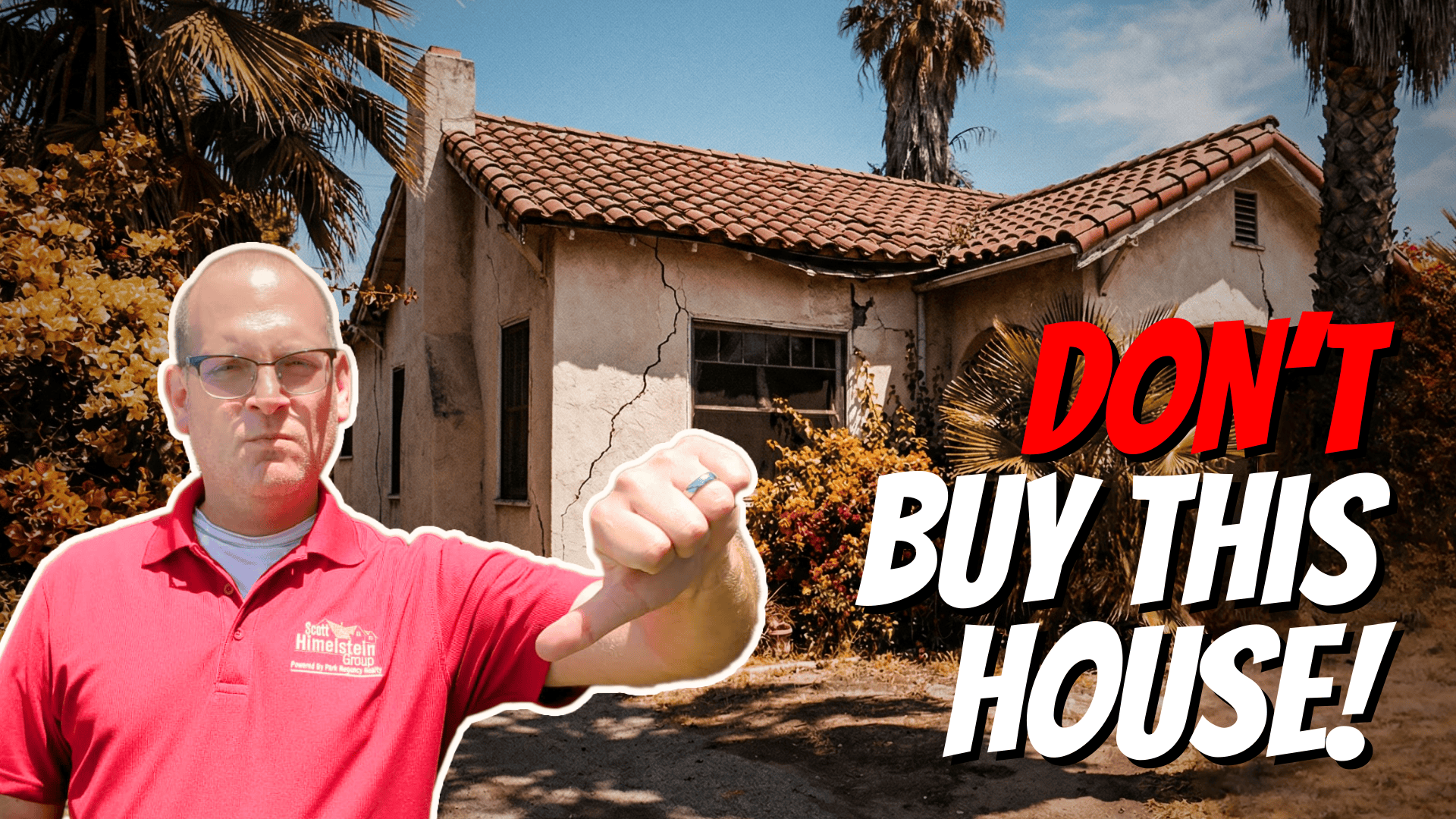
If you’ve ever pulled up to a house and felt something’s off, trust that instinct. After 20+ years selling homes across Los Angeles and touring thousands of properties, real estate expert Scott Himelstein has mastered the art of spotting a “bad house” long before the tour even starts. And today, we’re breaking down his exact walkthrough checklist—so you can avoid money pits, hidden damage, and nightmare surprises.
This is your fun, easy, no-fluff guide packed with longtail keywords for home buyers in Los Angeles, the San Fernando Valley, and beyond. Let’s dive in!
Why You Can Spot a Bad House in 60 Seconds
Most buyers walk into a showing excited, emotional, and ready to fall in love. But the smartest home buyers in Los Angeles understand this truth:
You don’t judge the house first—you judge everything around it.
Scott’s philosophy is simple:
A perfect home in a bad location is still a bad home.
If you know what you’re looking for from the moment you park your car, you’ll protect your wallet, your comfort, and your peace of mind.
Parking Problems That Will Ruin Your Daily Life
Los Angeles lifestyle = cars, guests, and endless events. Parking matters more than people think.
Here’s what Scott looks for immediately:
-
A driveway too small for multiple cars
-
No street parking in sight
-
Tight, sloped, or awkward entries
-
Signs the neighborhood fights for spots every night
If you love hosting family birthdays, BBQs, or holiday dinners, lack of parking becomes a problem FAST. In some LA neighborhoods, parking is practically a part-time job.
Bad Location Red Flags You Should Never Ignore
You can remodel a kitchen…
You can replace windows…
But you can never fix a bad location.
Before stepping inside, Scott checks what the home backs up to:
-
A major street packed with traffic
-
A freeway (noise + pollution = long-term regret)
-
A commercial center or shopping plaza
-
Busy intersections or loud businesses
Even if the home looks like a dream online, location issues affect:
-
Noise levels
-
Daily comfort
-
Safety
-
Future resale value (a huge factor most buyers ignore)
Neighborhood desirability is one of the strongest longtail keywords homebuyers search for—because it truly impacts every part of homeownership.
Neighbor Red Flags: You’re Buying the Block, Not Just the House
You can’t choose your neighbors, but you can avoid bad ones.
Scott always scans the neighboring properties for:
-
Unmaintained yards
-
Peeling paint
-
Abandoned cars
-
Hoarding or piles of junk
-
Loud, messy, or chaotic setups
A beautiful, renovated home means nothing if the house next door makes buyers run away during resale. Your block is part of your investment.
Roof Red Flags That Scream ‘Future Repair Bills’
Roofs in Los Angeles are expensive—so a few seconds of roof inspection is mandatory.
Scott looks for:
-
Missing shingles
-
Sagging or buckling areas
-
Moss (yes, even moss is a sign of trouble)
-
Tree branches touching or resting on the roof
Tree trimming in LA can cost thousands—and branches can break shingles or invite critters inside. Roof issues are one of the biggest home-inspection red flags in Southern California.
Foundation Red Flags You Can Spot From the Outside
Foundation issues are every buyer’s nightmare, but most buyers have no idea what to look for.
Luckily, Scott does.
Here are the signs of potential foundation problems:
-
Step cracks
-
Horizontal cracks
-
Large vertical cracks
-
Cracks wider than 1/8-inch
-
Freshly patched areas
Fresh paint or patchwork is often a sign something was covered up—not fixed.
If it recently rained, Scott also checks for:
-
Pooling water near the base of the home
-
Drainage paths
-
Low spots that hold water
Drainage repairs in LA—especially in older neighborhoods—are shockingly expensive.
Pool Problems That Cost Thousands
A pool is an amazing lifestyle upgrade… unless it’s falling apart.
Scott inspects:
-
Pool coping
-
Decking cracks
-
Broken tile
-
Aging or rusted equipment
-
Old pumps and filters
If the pool looks tired, your wallet will too.
Flooring Red Flags You Shouldn’t Overlook
Once inside, Scott immediately looks down.
Hardwood issues to watch for:
-
Black water stains
-
Cupping or warping
-
Soft spots
-
Obvious water damage
Tile flooring red flags:
-
Cracks everywhere
-
Hollow sounds
-
Uneven installation
Replacing tile is expensive, labor-heavy, and can uncover asbestos in older LA homes. Flooring problems are one of the biggest hidden costs in fixer-upper homes.
Ceiling and Wall Clues Homeowners Try to Hide
Sellers love fresh paint—but Scott knows why.
He checks for:
-
Water stains
-
Fresh patchwork
-
Large cracks
-
Uneven surfaces
-
Signs of roof leaks or movement
Hairline cracks? Normal.
Big cracks? Major red flag.
If the home has been quickly “touched up,” that’s a signal something deeper needs attention.
Window Red Flags That Affect Noise, Energy Bills, and Comfort
Los Angeles summers are HOT—the wrong windows can cost you hundreds per month.
Scott looks for:
-
Single-pane windows (terrible for energy + noise)
-
Warping or cracking
-
Sticky or hard-to-open windows
-
Signs they’re original to the home
Replacing windows in LA is pricey, but can dramatically change comfort and utility costs.
Fireplace Issues Nobody Mentions
If the home has a fireplace, Scott checks:
-
Whether it’s gas or wood-burning
-
Chimney moisture
-
Damaged liners
-
Outdated or unmaintained flues
Chimney repairs can cost thousands and are often overlooked for decades in LA.
Electrical Panel Red Flags That Can Be Dangerous
The electrical system is one of the most important indicators of overall home safety.
Scott checks for:
-
Old panels
-
Double taps
-
Exposed wires
-
Missing breakers
-
Overloaded circuits
A messy electrical panel = costly repairs and a possible fire hazard.
Air Conditioning, Furnace, and Water Heater Warning Signs
In Southern California, bad HVAC is not just inconvenient—it’s painful.
Scott inspects:
-
Rust
-
Corrosion
-
Dented condenser units
-
Outdated water heaters
-
Evidence of long-term neglect
Replacing an A/C system can cost $15,000–$25,000 or more in Los Angeles.
Sloppy DIY Renovations That Hide Bigger Problems
Some homeowners love DIY—you’ll love them less.
Scott checks for:
-
Uneven tiles
-
Bad grout lines
-
Vanities not secured properly
-
Loose toilets
-
Mismatched finishes
-
Poor quality materials
Sloppy cosmetic work usually means sloppy hidden work too (plumbing, electrical, structural… uh oh).
Under-Sink and Basement Red Flags
Under sinks, Scott looks for:
-
Mold
-
Leaks
-
Water stains
-
Warping wood
In LA basements (when they exist), Scott checks for:
-
Moisture
-
Water lines
-
Running dehumidifiers
-
Corresponding cracks
Basement moisture = foundation trouble.
Why You Should Never Skip a Home Inspection
Scott cannot stress this enough:
Never. Ever. Waive. Your. Home. Inspection.
This 60-second checklist helps you identify red flags, but it does not replace a licensed inspector. A home inspection in Los Angeles is essential, especially for older properties that hide expensive surprises.
The Goal: Not the Perfect House—Just Not the Wrong One
No home is perfect, even the beautifully staged ones.
But the goal isn’t perfection.
The goal is avoiding the wrong home—the one that drains your savings, energy, and sanity.
Use this checklist to cut through the glamor and find a house that truly fits your lifestyle and your long-term investment strategy.